


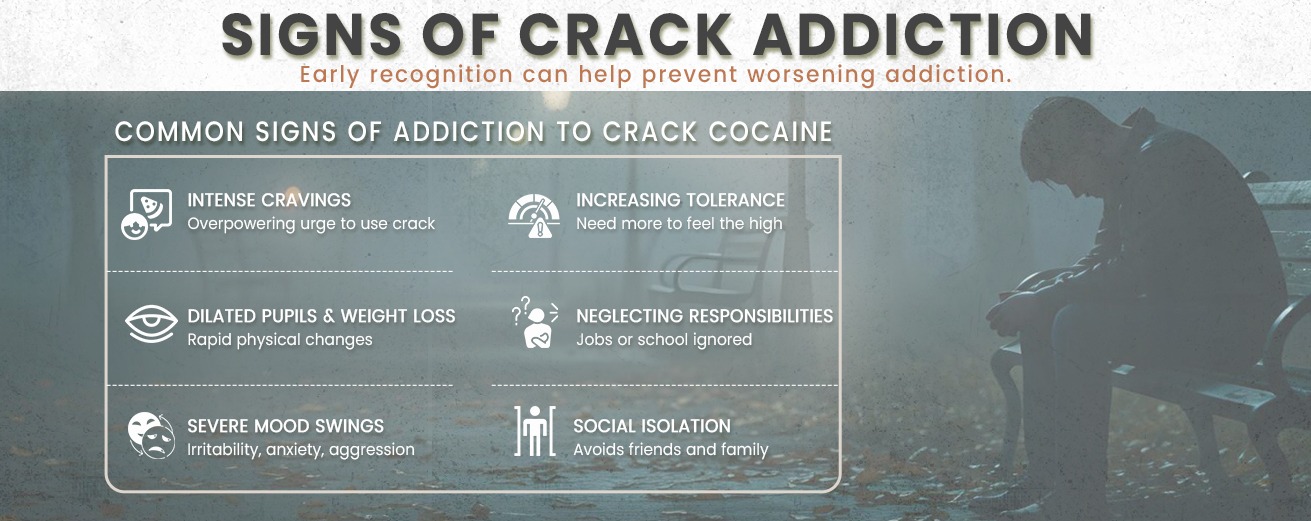
Behavioral changes are often one of the first signs of crack cocaine addiction, manifesting as increased secrecy, erratic behavior, and neglect of responsibilities. A person’s behavior plays a crucial role in both the development of substance use disorder and the recovery process; therapies like Cognitive Behavioral Therapy help individuals understand, control, and adapt their behaviors in various situations.
Noticing changes in a person’s behavior can be an early indicator of a developing substance use disorder. Potential signs and symptoms of crack cocaine dependence and addiction include:
- Acute Physical Symptoms: Dilated pupils, weight loss, and tooth damage are frequently associated with crack cocaine abuse.
- Signs of Crack Cocaine Addiction: Paranoia, anxiety, rapid speech, hyperactivity, and low appetite are common behavioral indicators.
- Physical Symptoms: Significant weight loss and changes in sleep patterns can also occur with ongoing crack use.
- Intense Cravings: People struggling with crack dependency often experience overwhelming cravings for the drug. This can drive them to use it compulsively.
- Increased Tolerance: Over time, people who use crack cocaine will develop a tolerance to the drug. This means they need larger amounts to achieve the same effects.
- Financial Problems: Addiction to crack often results in the neglect of work, family, and social responsibilities, which can lead to job loss, strained relationships, and financial problems.
- Poor Performance at Work or School: Declining performance at work or school can indicate a problem with crack cocaine addiction.
- Social Isolation: People who use crack may withdraw from their friends and family members, prioritizing their drug use over social ties. They may lose interest in activities they once enjoyed, and try to hide their glass pipe or other drug paraphernalia.
- Mood Swings: Crack use can cause severe mood swings, including irritability, anxiety, and aggression. Symptoms like weight loss and malnutrition may aggravate these symptoms. Chronic crack use may lead to paranoia, hallucinations, and other psychotic symptoms.
- Long-Term Physical Health Issues: Crack cocaine use can result in serious health problems, including cardiovascular issues, respiratory problems, and dental decay.
If you or your loved ones recognize these signs, it is important to seek treatment as early intervention can make a significant difference in managing substance use disorder.